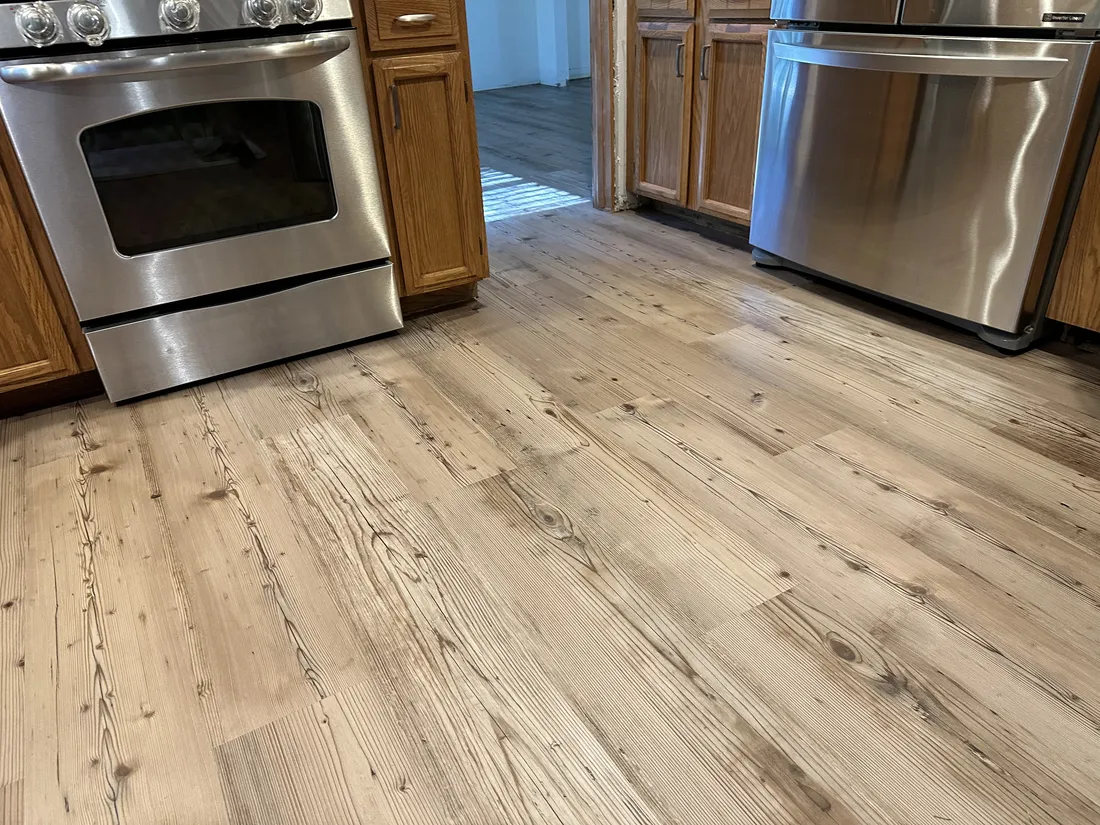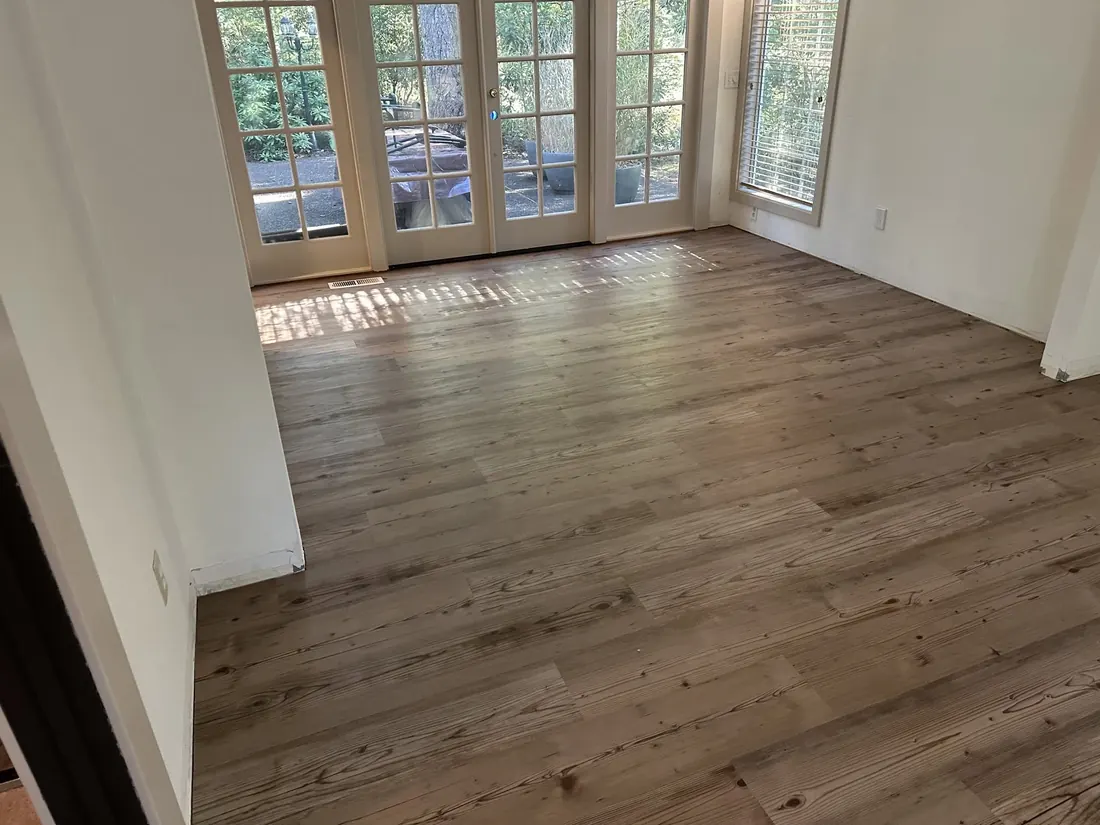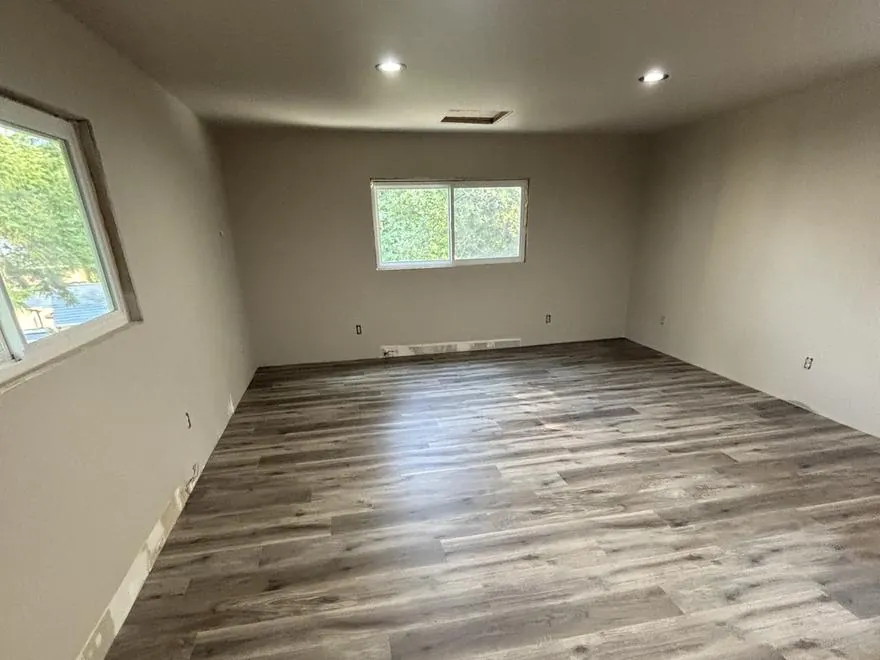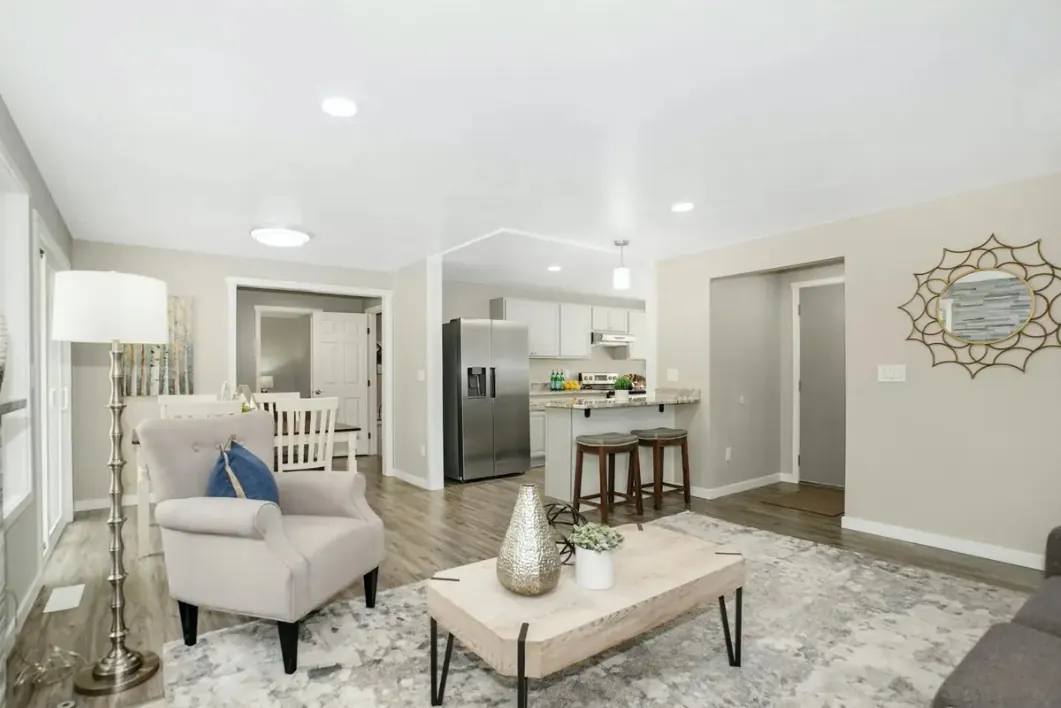
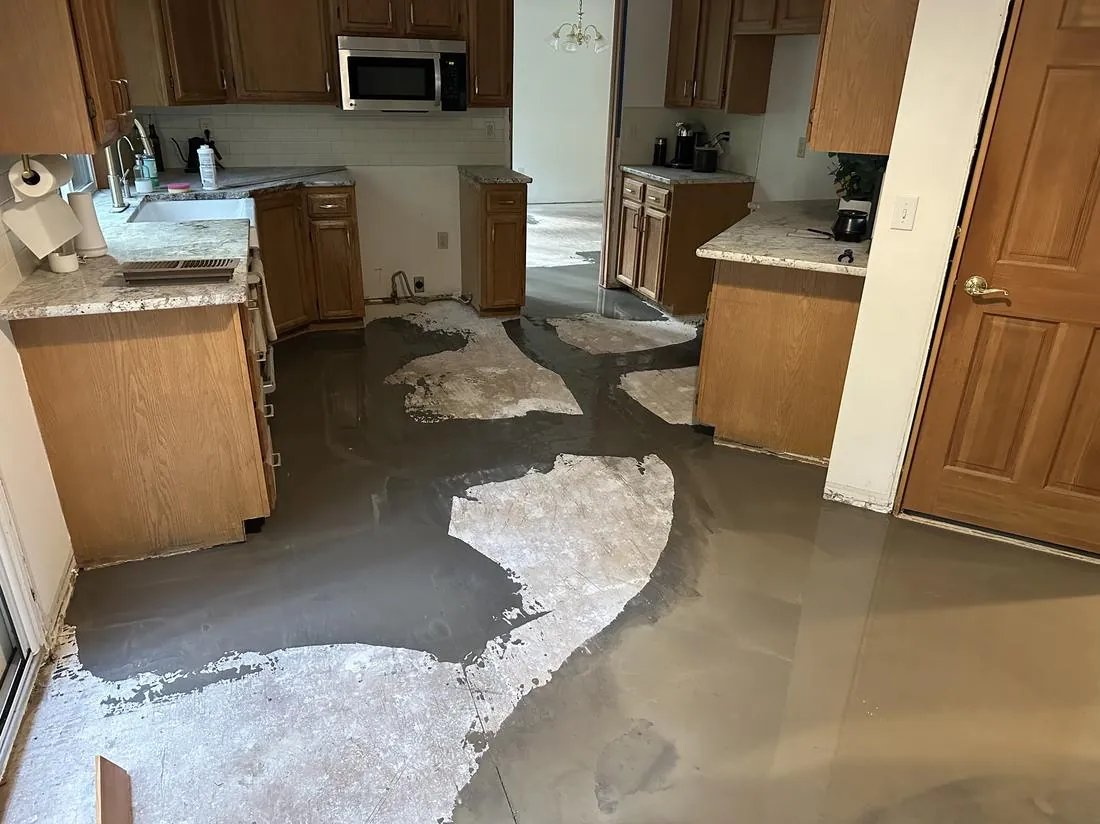
Every floor you’ve ever walked on sits on a subfloor, usually plywood, particleboard or concrete. It’s the foundation for everything on top, and when it isn’t flat and solid, the new floor pays the price. Hardwood gaps and cups. Vinyl clicks and separates. Tile cracks. Most flooring makers even spell out how flat the subfloor has to be, and a lot of Seattle homes don’t meet that spec without some work.
Seattle homes have seen some things
Seattle has a lot of older housing: century-old craftsman homes, post-and-beam houses, basements with old concrete floors, and additions that were built on a different level than the original house. Add decades of settling and a few leaks along the way, and the subfloor is often the real project. Here’s what we see most:
- Squeaky floors. Loose fasteners or wood rubbing on wood. Sometimes this is a simple, inexpensive fix.
- Soft or bouncy spots. Usually damaged or rotting subfloor. We cut it out and replace it with new plywood.
- Sloping floors. Common with post-and-beam foundations and basements. We build it back up with plywood layers or leveling compound, depending on what’s going down on top.
- Wavy plywood. Subfloors that got rained on during construction can swell and warp. We sand the high spots and fill the low ones.
- Uneven concrete. Carpet hides a lot. Once it’s gone, the slab often needs spot leveling or a full pour of self-leveler before hard flooring can go in.
- Water damage. Leaks swell and delaminate the subfloor, and it has to come out before it grows into a bigger problem.
An honest assessment first
What it takes to fix a subfloor can be simple or complicated, and you won’t know until someone experienced gets a look. Kellie’s has been doing this for over 30 years. We’ll tell you what we find, what it’ll take and what it’ll cost, straight.
Not every flooring contractor repairs subfloors. Kellie’s does, and we can do the flooring on top too, or even a full remodel. Call (206) 300-3156 for an assessment and a free estimate.